
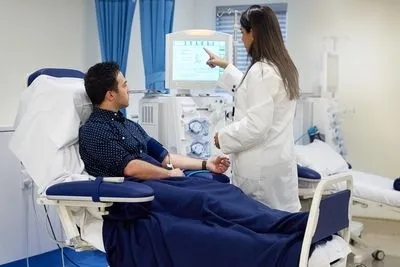
Dialysis vascular access plays a critical role in the safe and effective treatment of patients with advanced kidney disease. A reliable access point allows blood to flow to and from the dialysis machine efficiently, supporting life-sustaining treatment. At Ocala Kidney Group, serving Ocala and Leesburg, FL, our nephrologists, also known as kidney doctors, guide patients through every stage of dialysis planning and coordinate care with the Dialysis Vascular Access Center in Leesburg to ensure timely, appropriate access placement.
What Is Dialysis Vascular Access
Dialysis vascular access is a surgically created connection that allows repeated access to the bloodstream for hemodialysis. Because dialysis is typically performed multiple times per week, access must be durable, safe, and capable of supporting high blood flow rates. The most common types include arteriovenous fistulas, arteriovenous grafts, and central venous catheters. Nephrologists evaluate which option best supports long-term kidney care based on a patient’s health, blood vessels, and treatment timeline.
When Vascular Access Is Needed
Vascular access planning often begins well before dialysis starts. Early preparation allows time for healing and reduces the risk of complications. Patients may be referred for access placement when kidney function declines to a point where dialysis is expected in the near future. Kidney doctors emphasize early referral because fistulas and grafts require time to mature before they can be used safely for dialysis.
The Role of Nephrologists in Access Planning
At Ocala Kidney Group, nephrologists oversee the entire dialysis preparation process. This includes monitoring kidney function, educating patients on treatment options, and recommending referral to the Dialysis Vascular Access Center in Leesburg when appropriate. By coordinating access placement early, kidney doctors help reduce delays in care and lower the risk of emergency catheter use, which carries a higher risk of infection.
Types of Dialysis Vascular Access
An arteriovenous fistula is created by connecting an artery directly to a vein, allowing the vein to strengthen over time. This option is often preferred due to durability and lower complication rates. Arteriovenous grafts use a synthetic tube to connect the artery and vein when native vessels are not suitable. Central venous catheters may be used temporarily when immediate dialysis is required, but they are not ideal for long-term use. Nephrologists evaluate each patient carefully to determine the safest and most effective option.
Ongoing Monitoring and Long-Term Care
Once dialysis access is established, regular monitoring is essential. Kidney doctors track blood flow, watch for signs of infection or clotting, and coordinate care if revisions or repairs are needed. Maintaining healthy access helps ensure dialysis treatments remain effective and reduces interruptions in care.
Dialysis Access Guidance in Ocala and Leesburg, FL
Preparing for dialysis can feel overwhelming, but expert guidance makes the process clearer and safer. At Ocala Kidney Group, serving Ocala and Leesburg, FL, our nephrologists provide comprehensive dialysis planning and refer patients to the Dialysis Vascular Access Center in Leesburg when appropriate. To schedule an appointment or discuss dialysis vascular access options, call (352) 622-4231 today.